Editor’s Pick: The most critical margin trading risks US stocks present to international investors involve devastating margin calls during sudden market corrections, compounded by unexpected currency fluctuations and complex cross-border tax liabilities.
Trading on borrowed money amplifies both your potential gains and your catastrophic losses, transforming a conservative long-term investment strategy into a highly volatile speculative gamble. When non-US residents borrow funds from their brokerage to purchase assets like SPY or QQQ, they expose themselves to Federal Reserve interest rate hikes and rapid liquidation protocols.
Investor Commentary
This guide simplifies these complex mechanics, providing clear, actionable insights to help you protect your dollar-based portfolio without resorting to overwhelming Wall Street jargon.
Many global investors are attracted to the incredible liquidity and historical growth of the American financial markets, looking for robust dollar-based returns. However, the temptation to leverage capital often obscures the structural dangers lurking beneath the surface of a standard brokerage account. When you utilize borrowed funds, you are effectively using your existing securities as collateral, meaning a sudden macroeconomic shift can trigger an automatic sell-off of your prized assets.
Historical data suggests that during periods of extreme volatility, leveraged portfolios suffer significantly deeper drawdowns compared to cash-only accounts.

Decoding Margin Mechanics: Global Portfolios
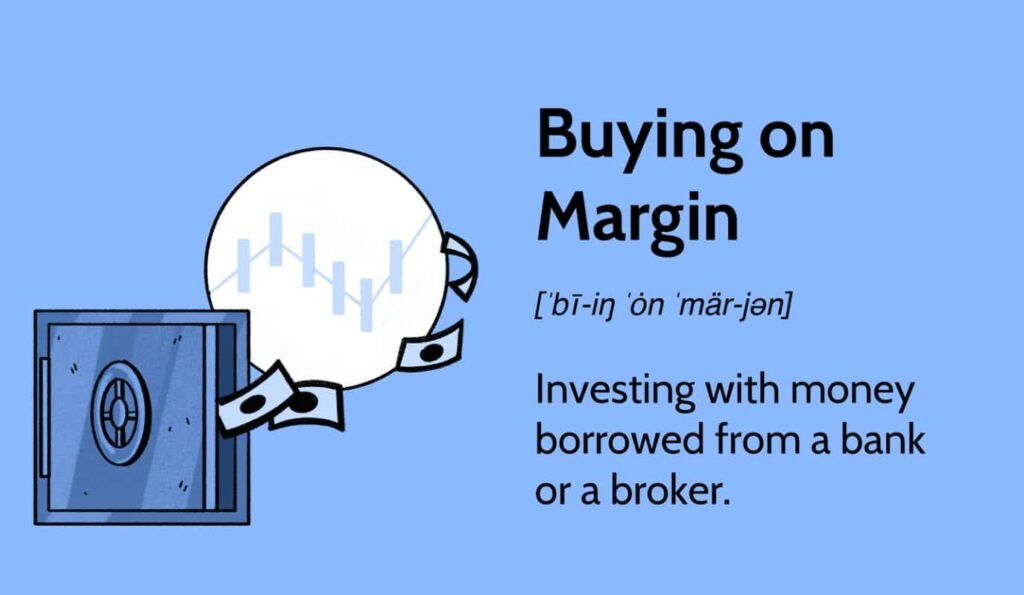
At its absolute core, a margin account allows you to borrow capital directly from your international brokerage to purchase additional equities or exchange-traded funds. While this sounds like a convenient way to maximize your purchasing power, the underlying reality involves strict maintenance requirements that act as a ticking time bomb during market downturns.
Financial experts note that brokerages calculate your account equity in real-time, monitoring the fluctuating value of your collateral against the static amount you owe. If the market value of your holdings drops below a specific percentage, the firm instantly demands additional deposits to cover the dangerous shortfall.
This terrifying scenario is universally known as a margin call, and it is entirely unforgiving for those caught completely off guard. Unlike traditional banking loans where you have a set repayment schedule, brokerage firms reserve the unilateral right to liquidate your assets without prior notification if you fail to meet the call.

For a non-US resident trading from different time zones, a sudden flash crash could trigger an automatic liquidation while you are asleep. You might wake up to discover that your carefully curated portfolio of blue-chip tech stocks has been sold at absolute rock-bottom prices.
The Double-Edged Sword of Leverage
Leverage essentially acts as a powerful magnifying glass for your investment performance, drastically amplifying the daily volatility of your chosen securities. If you purchase the S&P 500 index with fifty percent borrowed funds, a ten percent positive market movement magically transforms into a twenty percent gain on your actual capital.
Conversely, a ten percent market decline severely wipes out twenty percent of your hard-earned equity, rapidly pushing you toward the dangerous threshold of a forced liquidation. This mathematical reality means that heavily leveraged portfolios cannot financially survive the ordinary, healthy pullbacks that naturally occur within long-term bull markets.
Furthermore, international investors must remain acutely aware of the constantly shifting interest rates charged on these borrowed brokerage funds. When macroeconomic factors prompt the Federal Reserve to aggressively raise borrowing costs, the interest expense on your margin debt escalates substantially, eating directly into your potential profits.

This variable expense creates a hidden hurdle; your portfolio must now generate returns that significantly exceed this elevated borrowing cost just to break even. Ultimately, this constant financial drag drastically reduces the statistical probability of achieving sustainable, long-term wealth accumulation through leveraged trading strategies.
Structural Hazards and Hidden Market Traps
Beyond the obvious mathematical dangers, structural market mechanics introduce entirely new layers of complexity for those utilizing borrowed funds. One of the most insidious threats involves severe liquidity traps during periods of intense market panic, where the bid-ask spreads widen dramatically.
If your brokerage initiates an automatic liquidation during these chaotic moments, your assets will likely be sold at heavily discounted prices, locking in maximum permanent capital destruction. International investors are particularly vulnerable because they often lack the immediate banking integrations required to wire emergency funds fast enough to satisfy sudden margin calls.
To protect your accumulated wealth, it is absolutely essential to deeply understand the specific margin maintenance requirements mandated by your chosen brokerage. Different securities carry vastly different collateral requirements; highly volatile technology stocks may require you to maintain fifty percent equity, while stable treasury bonds might only require ten percent.
Recognizing these hidden structural rules allows you to strategically construct a portfolio that remains highly resilient even during unexpected macroeconomic shocks. Always read the fine print of your international brokerage agreement to identify exactly how they categorize your chosen investment assets.
Tracking Error, Margin Risk and Tax Withholding
For non-US residents, the intersection of margin risk and American tax regulations creates a notoriously complicated and potentially expensive landscape. When your brokerage forcefully liquidates your dividend-paying stocks to cover a margin call, it unexpectedly triggers complex cross-border tax liabilities. Furthermore, international investors must diligently submit their Form W-8BEN to ensure appropriate treaty-based reductions on dividend tax withholding.
If your account is improperly documented during a chaotic liquidation event, you might suffer the maximum default withholding rate, adding a severe tax penalty to your already devastating capital losses.
Additionally, utilizing borrowed funds to purchase complex vehicles like leveraged ETFs introduces massive tracking error risks into your global portfolio. These specialized funds reset their exposure daily, meaning prolonged periods of high volatility mathematically erode the fund’s value over time. When you combine the inherent tracking error of these funds with escalating margin debt interest, the resulting portfolio volatility becomes impossible to manage.
Always consult with a qualified international tax professional to deeply understand how these intertwined leveraged trading mechanics impact your unique foreign residency and Form 1040-NR filing situation.

Strategic Alternatives for Global Portfolios
Fortunately, international investors do not need to rely on dangerous leveraged strategies to achieve substantial, long-term growth in the American markets. A highly effective alternative is embracing a disciplined, cash-only approach focused strictly on dollar-cost averaging into broad, low-cost index funds.
By systematically investing a fixed amount of capital every single month, you naturally acquire more shares when the market is down and fewer when it is up. This incredibly powerful method completely eliminates the existential threat of margin calls, allowing you to sleep peacefully regardless of short-term macroeconomic turbulence.
Investment Strategy Features and Different Approaches
Another excellent alternative involves utilizing structurally conservative assets to build a highly resilient, diversified portfolio that does not require borrowed capital. You can easily achieve robust returns by thoughtfully balancing growth-oriented technology ETFs with stable, dividend-producing equities. To secure your international account, focus intensely on these fundamental wealth-building principles:
- Maintaining a completely cash-only, unleveraged brokerage account.
- Dollar-cost averaging consistently into reliable US index funds.
- Keeping your W-8BEN tax documentation perfectly updated. This structured approach clearly illustrates why preserving your core capital is always vastly superior to chasing artificially amplified returns through high-risk borrowing tactics.

| Investment Strategy Feature | Cash-Only Portfolio Approach | Margin Trading Strategy |
|---|---|---|
| Risk of Forced Liquidation | Absolutely Zero | Extremely High during market volatility |
| Interest Expenses & Fees | None (You own the assets outright) | Variable (Moves with Federal Reserve rates) |
| Stress & Monitoring Level | Low (Set and forget long-term strategy) | High (Requires constant daily monitoring) |
| Tax Complexity (Non-US Resident) | Standard W-8BEN dividend withholding | Highly complex during forced liquidations |
| Long-Term Wealth Probability | Historically proven and highly reliable | Statistically lower due to ongoing debt drag |
Frequently Asked Questions
Can international investors legally open a margin account?
Yes, many major international brokerages permit non-US residents to open and utilize margin accounts, provided they meet specific financial criteria.
However, you must carefully navigate strict international compliance protocols, including completing the mandatory Form W-8BEN to legally establish your foreign tax residency. Brokerages often impose significantly higher minimum deposit requirements for international clients wishing to borrow capital, acting as a preliminary safety buffer against cross-border default risks. Always verify the specific international account restrictions with your chosen financial institution before attempting to activate these high-risk trading features.
How does currency fluctuation impact leveraged portfolios?
Currency risk acts as a silent but immensely powerful variable when utilizing borrowed dollars to purchase American equities from abroad.
If your local home currency significantly weakens against the United States Dollar, the real cost of maintaining your dollar-denominated margin debt increases substantially. This dangerous dynamic means you could face a margin call entirely due to foreign exchange volatility, even if your underlying stocks remain completely stable. Financial experts note that unhedged currency exposure combined with borrowed capital creates a highly toxic environment for long-term international wealth preservation.

Protecting Your Global Financial Future
Successfully navigating the American financial markets as an international investor requires profound discipline, deep regulatory awareness, and a steadfast commitment to risk management. While the allure of rapidly compounding your wealth through borrowed capital is undeniably strong, the hidden structural hazards frequently outweigh the potential mathematical benefits.
Margin trading transforms the historically reliable process of long-term wealth accumulation into a highly stressful, speculative endeavor deeply vulnerable to sudden macroeconomic shifts. Protecting your hard-earned capital from unnecessary liquidation events should always remain your absolute highest priority when building a global portfolio.
As you meticulously refine your international investment strategy, take a moment to carefully evaluate the true structural resilience of your current brokerage account. Review your existing collateral requirements, deeply analyze your exposure to variable interest rates, and ensure your W-8BEN documentation remains perfectly updated.
True financial freedom is never achieved by taking unnecessary leveraged gambles; it is patiently built through consistent, cash-based investments in high-quality assets.