Editor’s pick: When comparing IVV vs SPLG, SPLG offers a distinct advantage for retail investors due to its lower per-share price and 0.02% expense ratio, while IVV provides unmatched liquidity for larger allocations.
For Non-Resident Aliens seeking US market growth, choosing the right S&P 500 vehicle is critical. You do not need the expensive SPY ETF built for day traders.
Instead, you can build long-term wealth using these efficient, hidden alternatives that mirror the exact same companies but leave more capital compounding in your account over decades.
Commentary of International Investors
Many international investors mistakenly assume that accessing the United States stock market requires navigating complex Wall Street products. In reality, the financial system offers straightforward indexing tools like IVV and SPLG.These funds represent a transparent approach to owning a slice of robust corporate earnings.
By understanding the structural differences between these financial instruments, you optimize your dollar-cost averaging strategy. This ensures you never waste money on unnecessary management fees while holding assets that historically outpace inflation.
As you evaluate these assets, you must factor in the unique tax architecture applied to foreign investors. Your primary hurdle is managing cross-border taxation on dividend yields. Both IVV and SPLG distribute quarterly dividends,triggering automatic deductions by the Internal Revenue Service.
By proactively submitting your W-8BEN documentation, you inform your broker of your foreign status, potentially reducing the default thirty percent withholding tax through bilateral tax treaties.
This simple step drastically alters your long-term net performance.

Expense Ratios and Structural Differences
The most debated metric in the IVV vs SPLG conversation is the annual expense ratio. BlackRock’s IVV charges a highly competitive 0.03% annually, making it one of the cheapest core equity blocks globally.
However, State Street aggressively repositioned SPLG to undercut rivals, dropping its fee to a mere 0.02%. While a single basis point seems microscopic, financial experts note that minimizing internal fund expenses is a guaranteed way to retain compounded capital over thirty-year horizons.
Beyond the minimal fee discrepancy, the per-share trading price represents the most practical difference for international retail investors. Because many global brokerages deny fractional share trading to Non-Resident Aliens,buying one unit of IVV requires substantial monthly capital. Conversely, SPLG trades at a fraction of IVV’s share price.
Liquidity and Sufficiency
This lower entry threshold allows foreign investors to deploy smaller amounts efficiently, ensuring cash is immediately put to work rather than sitting idle waiting to afford larger shares.
Liquidity is another crucial variable to evaluate before moving substantial capital during volatile trading sessions. IVV boasts a massive asset footprint, meaning millions of shares change hands daily with tight bid-ask spreads. SPLG has a smaller institutional following compared to its BlackRock counterpart.
For the average long-term international investor buying and holding for retirement, SPLG’s liquidity is more than sufficient. However, if you trade in blocks of hundreds of thousands of dollars, IVV provides seamless execution.

The Hidden Risks in International Investing
Navigating foreign markets exposes your capital to unique vulnerabilities beyond standard equity drawdowns. The most prominent invisible threat is the Tax Withholding drag on your dividend payouts, which severely blunts the compounding effect of total returns for non-treaty residents.
Furthermore, Non-Resident Aliens face a massive hidden liability regarding the US Estate Tax. If you pass away holding over sixty thousand dollars in US-domiciled assets, the federal government may confiscate up to forty percent of the excess balance.
Investors must also remain vigilant about secondary structural risks when managing a cross-border brokerage account.Tracking Error occasionally occurs when a fund fails to perfectly replicate its underlying index, though highly traded funds minimize this friction effectively.
Additionally, those utilizing leverage face severe Margin Risk; relying on borrowed funds can force unexpected liquidations during macroeconomic shocks. Because foreign investors are excluded from domestic tax-loss harvesting benefits, suffering a margin call can permanently destroy years of wealth accumulation.
How FED Policies Impact Your Index Returns
Your selection between IVV and SPLG does not exist in a vacuum; fund performance is dictated by the broader macroeconomic environment, particularly the US Federal Reserve. When the central bank adjusts interest rates, it directly influences corporate borrowing costs across the American economy.
For an international investor, these decisions carry a secondary impact: they drive the global strength of the United States Dollar. A strong dollar amplifies local purchasing power but can suppress multinational corporate earnings.
Understanding this macroeconomic relationship is essential because the S&P 500 is fundamentally weighted by market capitalization, giving massive influence to the technology sector. While these funds are less concentrated than QQQ,they remain sensitive to discount rates applied to tech earnings.
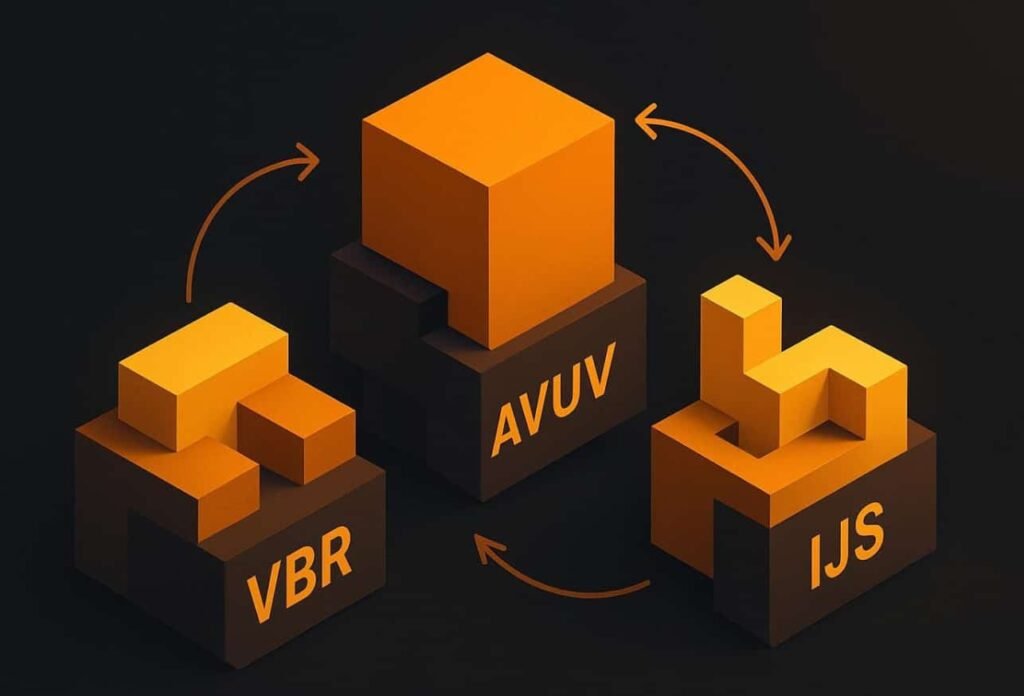
Historical Data and Monetary Policy Impact
Historical data suggests that during periods of quantitative tightening, broad index funds experience elevated volatility. Maintaining a long-term perspective allows you to weather rate cycles without panic selling, capitalizing on broader global economic expansion.
The intersection of monetary policy and your local currency creates a distinct dynamic for reinvesting your dividends.When the dollar appreciates against your home currency, the dividends generated by IVV or SPLG become more valuable when repatriated. However, true wealth generation relies on automatically reinvesting those yields back into the ETF.
By continuously buying more shares regardless of the current rate cycle, you naturally average down your cost basis and position your offshore portfolio for eventual recoveries.
Comparing IVV & SPLG for Global Portfolios
To solidify your investment strategy, reviewing a direct side-by-side comparison of these financial instruments brings absolute clarity to your decision. Both options are issued by highly reputable asset managers with decades of experience maintaining index fidelity during extreme market conditions.
Your ultimate choice hinges on aligning your monthly savings rate with share price accessibility, while remaining fully aware of international tax obligations. The table below outlines the core metrics Non-Resident Aliens must evaluate when deciding.
Remember that selecting between these two funds is a tactical execution step, not the entirety of your financial plan.Both ETFs provide identical exposure to the largest five hundred publicly traded companies in America. To maximize this exposure, focus on these critical operational steps:
- Minimizing your internal management costs.
- Establishing a reliable monthly purchasing routine.
- Ensuring your W-8BEN tax documentation remains compliant. By mastering these operational details, you eliminate friction from your wealth-building engine.
| Feature / Metric | iShares Core S&P 500 (IVV) | SPDR Portfolio S&P 500 (SPLG) |
|---|---|---|
| Fund Provider | BlackRock | State Street Global Advisors |
| Expense Ratio | 0.03% Annually | 0.02% Annually |
| Relative Share Price | High (Requires more capital per share) | Low (Excellent for smaller investments) |
| Institutional Liquidity | Extremely High | High |
| NRA Dividend Tax | Up to 30% (Treaty Dependent) | Up to 30% (Treaty Dependent) |
| US Estate Tax Risk | Yes (If holdings exceed $60,000 USD) | Yes (If holdings exceed $60,000 USD) |

Frequently Asked Questions
Which ETF is structurally better for a retail investor making small monthly contributions?
For the vast majority of international retail investors deploying smaller amounts of capital each month, SPLG is the superior operational choice. Its significantly lower per-share price allows you to purchase whole units without leaving excess cash sitting uninvested.
Furthermore, the low expense ratio ensures you pay the absolute minimum in management fees. Unless your brokerage allows fractional share purchasing for foreign residents, SPLG effortlessly solves the cash-drag problem.
Do IVV or SPLG protect foreign investors from the US Estate Tax?
No, neither of these Exchange Traded Funds offers inherent protection against the dreaded US Estate Tax for Non-Resident Aliens. Because both IVV and SPLG are legally domiciled within the United States, they are considered US-situs assets.
If your holdings exceed the strict sixty thousand dollar exemption threshold upon your death, your heirs face severe taxation. To mitigate this, many international investors eventually explore Ireland-domiciled UCITS alternatives.
How do I claim a lower dividend withholding rate on these ETFs?
To legally reduce the default thirty percent dividend withholding tax on your S&P 500 distributions, you must maintain a valid Form W-8BEN with your international brokerage.
This crucial document legally certifies your status as a Non-Resident Alien and allows you to claim beneficial rates via tax treaties. Ensure this form is renewed every three years, as an expired certification prompts your broker to immediately revert to the maximum penalty withholding rate.

Importance of IVV vs SPLG
Constructing a resilient offshore portfolio does not require holding exotic financial instruments; it requires executing simple strategies with exceptional discipline. The debate between IVV vs SPLG ultimately highlights the evolution of the fund management industry, where intense competition heavily favors the retail investor.
Whether you prioritize the massive institutional liquidity of BlackRock’s flagship fund or the accessible share price of State Street’s alternative, both vehicles serve as magnificent engines for long-term equity growth.
As you finalize your capital allocation strategy, take the time to review the broader architecture of your international accounts. Ensure your tax treaties are properly applied, your dividend reinvestment plans are optimized, and your exposure to estate taxes is managed proactively.
Investing in the American economy from abroad is one of the most reliable ways to build wealth, provided you respect the regulatory landscape. Keep your costs low, maintain geographic diversification, and let compound interest work tirelessly.