
Editor’s Pick: The global weight-loss drug boom, primarily driven by GLP-1 receptor agonists, represents a structural shift in the pharmaceutical sector, currently dominated by the intense competitive rivalry between market leaders Eli Lilly and Novo Nordisk.
Investing in the global weight-loss drug boom requires understanding that this market is not a short-term trend but a long-term pharmaceutical paradigm shift fueled by unprecedented demand for GLP-1 treatments.
Eli Lilly and Novo Nordisk currently hold a dominant market position, yet investors must navigate complex dynamics including supply chain constraints, insurance coverage shifts, and the long-term clinical data regarding sustained weight management.
Success in this sector depends on distinguishing between hype-driven market volatility and the underlying fundamental growth of firms that can scale production to meet an insatiable global demand.
Experiences from Investors!
Many investors feel overwhelmed by the hype cycle surrounding these stocks; please know that this sense of uncertainty is completely normal. When we see a market shift of this magnitude, the temptation to jump in or sell out based on daily headlines is significant.
It is observed that the most successful long-term investors in this space are those who look past the quarterly “supply shortage” noise and focus on the total addressable market (TAM) expansion. You are analyzing companies that are redefining obesity care, and your ability to remain objective amid the volatility is a critical asset in your investment toolkit.

The GLP-1 Market Dynamics: Fueling Drug Boom
The global weight-loss drug boom is fundamentally anchored in the breakthrough efficacy of GLP-1 receptor agonists, which have transitioned from diabetes management tools to the frontline of obesity treatment. As of 2026, the integration of these therapies into mainstream medicine has caused a fundamental rerating of pharmaceutical valuations.
Analysts observe that this is no longer just a trend of “lifestyle medication”; it is an essential healthcare expenditure that is receiving increasing support from public health policies and insurance formularies worldwide.
This expansion is being further accelerated by the shift toward oral delivery mechanisms, which simplify the patient experience compared to traditional injectable formats. Market data indicates that as accessibility increases, the barrier to entry for millions of patients—previously sidelined by the burden of injections or high costs—is rapidly evaporating.
Consequently, the volume growth for these medications is outpacing previous conservative forecasts, creating a virtuous cycle of increased manufacturing capacity, lower unit costs, and broader patient adoption.
The Shift Toward Oral GLP-1 Therapies
The introduction of oral GLP-1 options in the 2026 market landscape marks a turning point for convenience and adoption rates. For years, the market was limited by the “needle-averse” patient population, but current clinical data suggests that oral formulations are effectively converting this massive, untapped segment into active users.
This convenience factor is a competitive differentiator that allows companies to capture market share in geographies where injectable healthcare infrastructure may be less developed, effectively expanding the global reach of these treatments.
Furthermore, oral medications allow for a tiered pricing strategy that can capture both the premium and the mass-market consumer. By offering an affordable, oral alternative, companies can navigate the price-sensitive segments of the market while maintaining premium margins on their injectable versions for patients requiring higher potency.
This dual-pronged strategy is essential for protecting market share as new, lower-cost competitors and generic entrants begin to enter the fray, ensuring that the company maintains its pricing power and financial stability in the coming years.
Clinical Expansion and Therapeutic Versatility
Beyond the aesthetic and metabolic benefits of weight loss, the clinical community is increasingly observing systemic health improvements in patients on GLP-1 therapies. Clinical trials are continuously validating that these drugs are not merely “weight-loss agents” but significant tools for mitigating chronic disease risks such as heart failure and metabolic syndrome. This expanded therapeutic profile is crucial for insurance reimbursement, as it transforms the medication from a “discretionary elective” into a “medically necessary” treatment, thereby guaranteeing a more reliable and long-term revenue stream for pharmaceutical manufacturers.

Eli Lilly (LLY) and Novo Nordisk (NVO) Stocks
The competitive landscape of the global weight-loss drug boom is currently defined by a high-stakes duopoly between Eli Lilly and Novo Nordisk, both of which are aggressively expanding manufacturing infrastructure. Eli Lilly has gained significant momentum in the 2026 fiscal cycle, largely due to the sustained demand for Mounjaro and Zepbound, which continue to capture substantial market share.
Analysts observe that Lilly’s ability to forecast and meet demand, alongside its aggressive pricing strategies, has allowed it to maintain a growth trajectory that frequently outpaces the broader healthcare sector.
Novo Nordisk, while facing temporary supply and pricing pressures, remains a formidable competitor with a deep-rooted history in insulin and diabetes care, providing a steady foundation. The company’s long-term strategy involves a heavy investment in next-generation oral drugs and diverse metabolic disorder treatments that aim to close the gap with Lilly.
Although Novo has navigated challenges regarding price sensitivity in 2026, their established global footprint and patient-loyalty programs continue to be an effective counter-strategy to maintain its massive patient base across Europe and Asia.
Manufacturing Capacity as a Competitive Moat
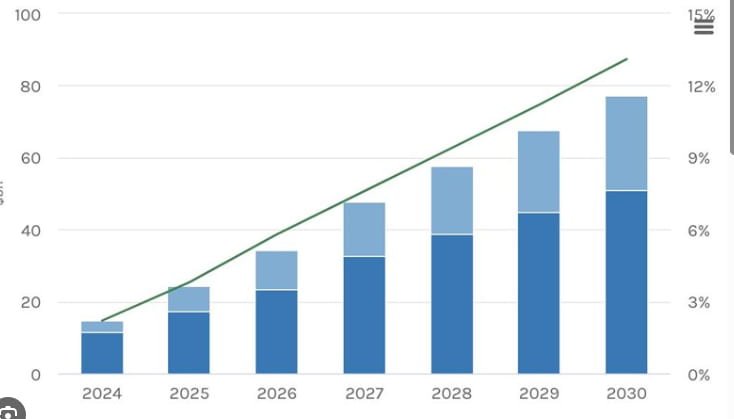
In the current pharmaceutical environment, manufacturing capacity is the most significant hurdle and, consequently, the most important competitive moat. Both Lilly and Novo Nordisk are committing billions of dollars in capital expenditure to build new production facilities globally.
It is observed that the company that can solve the “supply gap” first will dictate market share for the remainder of the decade. This race to produce is not merely about volume; it is about achieving economies of scale that protect margins against future pricing pressures.
Investors should pay close attention to management guidance regarding supply chain bottlenecks and capacity expansion timelines. While a company may have the best clinical data, if they cannot fulfill prescriptions, patients will inevitably defect to a competitor with available stock. Therefore, current capital expenditure is a lead indicator of future market dominance.
The aggressive build-out of plants suggests that both companies have a high degree of confidence in the long-term, sustained nature of the obesity drug market, reinforcing the long-term bull case for both stocks.

Financial Performance and Valuation Metrics
A comparison of current financial health shows that Lilly and Novo Nordisk are trading at premium valuations, largely justified by their double-digit revenue growth and strong earnings visibility. In the 2026 earnings reports, both firms showcased resilience in their profit margins, despite the entry of lower-cost competitors and pricing regulations.
This financial discipline is a key metric for investors, as it indicates that the companies can manage their unit economics effectively even as the market shifts toward broader, more price-sensitive patient segments.
Investors should utilize a structured approach to evaluate these metrics. The following table provides a high-level comparison of the operational focus for these two leaders:
| Feature | Eli Lilly (LLY) | Novo Nordisk (NVO) |
| Primary GLP-1 Assets | Zepbound, Mounjaro | Wegovy, Ozempic |
| Growth Driver 2026 | Aggressive oral drug pipeline | Global footprint expansion |
| Manufacturing Focus | Massive domestic US build-out | Diversified global facility investment |
| Risk Profile | Competitive market share loss | Pricing pressure in European markets |
Future Risks: Global Weight-Loss Drug Boom
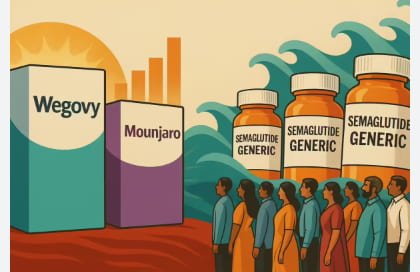
Investors in the global weight-loss drug boom must be prepared for the inevitable rise of generic competition and regulatory scrutiny over pricing. The current “golden age” of high-margin revenues will eventually face headwinds as patents begin to expire and generic manufacturers seek to introduce biosimilars or cheaper oral alternatives.
Market experts suggest that while these pharmaceutical giants have years of protection ahead, the long-term investment strategy must account for the structural compression of margins as the market matures and moves from a premium niche to a commodity-like standard of care.
There are also macroeconomic and regulatory risks, particularly concerning how governments and insurance providers handle the cost burden of these lifelong medications. If major health systems decide to restrict coverage or enforce “Most Favored Nation” pricing, revenue growth could significantly decelerate, impacting stock price performance.
Furthermore, any long-term clinical safety issues—while currently not a major threat—would be a “black swan” event that could instantly disrupt the investment thesis. Diversification and risk management remain essential, as pharmaceutical stocks are inherently subject to trial outcomes and regulatory decisions.
Assessing Patent Cliffs and Generic Entry
Patent protection is the lifeblood of pharmaceutical profitability, and investors should treat the expiration dates of key GLP-1 patents as critical roadmap milestones. While 2026 remains a period of strong exclusivity, the mid-to-late 2020s will see the start of patent-related challenges, particularly in emerging markets where generic manufacturers are already positioning themselves to capture volume.
It is observed that companies with a strong patent layering strategy—filing for new delivery mechanisms or combination therapies—will have a significant advantage in delaying this generic erosion.
Long-Term Regulatory and Insurance Pressures
The sustainability of the global weight-loss drug boom is deeply tied to the willingness of governments to pay for these therapies. In the United States, Medicare coverage decisions are pivotal, as they set the precedent for private insurers and international health systems.
Any policy shift that reduces the reimbursement rate or places strict eligibility criteria on these drugs could drastically lower the total addressable market. Investors should prioritize keeping abreast of legislative developments, as political pressure to lower drug costs remains a persistent risk in the healthcare sector.
Frequently Asked Questions (FAQ): Answers
What is the primary driver of the global weight-loss drug boom?
The primary driver is the efficacy of GLP-1 receptor agonists, which address the biological underpinnings of obesity, transforming it from a lifestyle management issue into a treatable chronic medical condition, thus unlocking massive market demand.
Are there risks to investing in LLY and NVO right now?
Yes, primary risks include supply chain bottlenecks, potential generic competition in the coming years, regulatory pressure to lower pricing, and the inherent volatility of pharmaceutical stocks depending on future clinical trial outcomes.
How do oral GLP-1s change the investment landscape?
Oral GLP-1s expand the market by increasing convenience for patients, potentially capturing a massive demographic that was previously unwilling or unable to use injectable medications, thereby increasing total addressable market volume.
Should I invest in ETFs or individual stocks?
This depends on your risk tolerance. ETFs offer diversification across the entire weight-loss drug supply chain, while individual stocks like LLY or NVO offer concentrated exposure to the leaders but with higher specific company risk.
What should I look for in future earnings reports for these companies?
Investors should watch for “supply chain capacity” updates, “insurance coverage expansion” data, and the progress of next-generation combination therapies in clinical pipelines, as these factors most directly influence long-term growth.