

Investor’s Pick: Sector rotation strategies involve dynamically moving investment capital across different economic sectors based on anticipated stages of the U.S. business cycle to optimize returns.
Executing effective sector rotation strategies is fundamentally about anticipating shifts in the macroeconomic environment and adjusting your international portfolio to favor industries poised for massive outperformance. According to financial experts, actively reallocating assets into early-cycle sectors during an economic recovery is frequently observed to yield much higher comparative returns.
This proactive asset allocation approach allows foreign investors to meticulously mitigate regional risks while fully capturing the massive upside of the U.S. financial ecosystem. It is a vital, indispensable tool for long-term portfolio optimization and consistent capital preservation.

Investor Real Life Experience:
In my own journey as an international investor navigating the immense complexities of the U.S. market, I distinctly remember feeling completely paralyzed during my first major economic downturn. Watching technology stocks heavily plummet while I was asleep in another time zone initially triggered a profound sense of helplessness and deep frustration.
However, once I fully embraced the cyclical, predictable nature of the broader market, I immediately stopped panic-selling and started strategically pivoting my capital toward resilient, highly defensive sectors. This profound mindset shift completely transformed my cross-border investing experience, turning terrifying market volatility into a highly structured, predictable roadmap for long-term financial growth.

Sector Rotation Strategies: Abroad Cycles
Investing in the dynamic U.S. stock market from a completely different time zone presents unique challenges, yet it also unlocks unparalleled opportunities for robust portfolio diversification. When global economic tides shift rapidly, watching your international portfolio fluctuate can feel incredibly overwhelming for those stationed far from Wall Street.
However, mastering the sophisticated art of aligning your investments with ongoing economic trends provides a significant, long-lasting edge. This powerful approach empowers global participants to strategically ride the waves of economic change rather than merely surviving them.
Instead of passively holding a static basket of global stocks, savvy international traders are increasingly adopting dynamic methods to proactively adjust their cross-border holdings. By shifting capital into industries that are historically primed to perform well in specific macroeconomic environments, you can potentially optimize your overall returns while heavily minimizing systemic exposure.
Navigating these transitions smoothly requires a deep understanding of broad macroeconomic indicators and clear, data-driven foresight. Our ultimate goal is to demystify these complex financial maneuvers, making them highly accessible and immensely profitable for anyone investing across borders.

Market Cycles Dynamics and Stocks
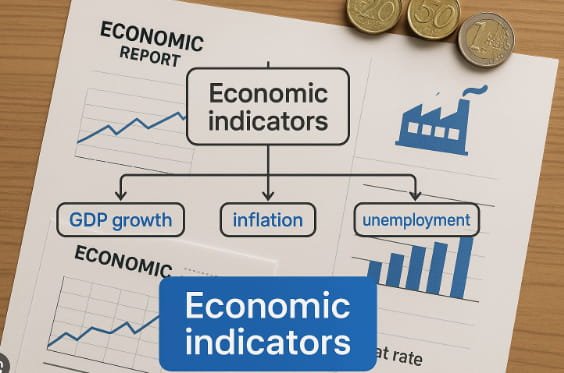
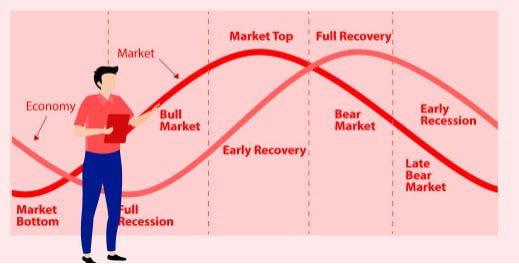
To successfully implement sector rotation strategies, an international investor must first accurately identify the current stage of the U.S. business cycle. The economy perpetually transitions through highly distinct phases, typically categorized as early-cycle, mid-cycle, late-cycle, and formal recession. It is widely observed that varying interest rates, shifting inflation metrics, and changing employment data act as primary catalysts pushing the massive economy forward.
According to quantitative financial analysts, tracking these crucial leading economic indicators helps investors confidently anticipate which specific industry sectors are about to experience accelerated momentum or severe contraction.
During the very early stages of a robust economic recovery, interest rates are generally kept low to actively stimulate broad corporate growth and heavy consumer spending.
Key Macroeconomic Metrics
To effectively track this highly dynamic environment, international investors must diligently monitor several key macroeconomic metrics:
- The forward trajectory of the federal funds rate.
- Monthly fluctuations in the Consumer Price Index (CPI).
- Overall unemployment claims and national wage growth.In this highly optimistic environment, economically sensitive sectors like consumer discretionary and industrials tend to wildly flourish as borrowing costs drop and corporate earnings heavily rebound.
Understanding this highly predictable rhythm allows you to strategically position your international portfolio well before the broader retail market fully reacts to the changing economic tides. Instead of attempting to perfectly time the exact top or bottom of the S&P 500, you are simply shifting your capital exposure toward the path of least economic resistance.
Financial professionals frequently suggest that maintaining a highly disciplined, data-driven approach prevents disastrous emotional decision-making when global news headlines become overwhelmingly negative.
Economic Expansion Phase: Growth and Momentum Tactics
When the U.S. economy enters a confirmed, widespread expansion phase, the prevailing market sentiment shifts heavily toward aggressive capital appreciation and widespread institutional risk-taking. During this highly lucrative period, businesses are actively investing in massive new infrastructure, and confident consumers are freely spending their rapidly rising discretionary income.
Consequently, growth stocks within the technology and financial sectors are generally observed to drastically outperform the broader market averages. International investors can effectively capitalize on this immense momentum by aggressively overweighting these high-beta sectors, capturing the rapid upward trajectory fueled by strong corporate earnings.
However, riding the massive wave of economic expansion requires continuous, sharp vigilance regarding subtle shifts in global supply chains and domestic monetary policy. Even in a roaring, highly profitable bull market, localized sector corrections can rapidly occur if specific industry valuations become severely detached from their actual fundamental earnings.
It is widely recommended by portfolio managers to utilize strict stop-loss orders and technical momentum indicators to fiercely protect your accumulated profits from sudden, unexpected pullbacks. By closely monitoring the financial health of the consumer, you ensure your international portfolio remains optimally positioned for maximum upside.

Recession and Contraction: Defensive Positioning Framework
As the business cycle inevitably rolls over into a severe contraction or a formal, prolonged recession, the primary investment objective drastically shifts from aggressive wealth creation to strict capital preservation. During these highly challenging periods, consumer spending rapidly evaporates, corporate profit margins plummet, and broader market volatility spikes to terrifying, unpredictable levels.
According to seasoned market historians, defensive sectors such as consumer staples, healthcare, and essential utilities are historically observed to weather these brutal economic storms much better than their growth-oriented counterparts. These indispensable industries provide vital goods and services that consumers absolutely must purchase.
For an investor closely monitoring the U.S. markets from abroad, executing a timely rotation into these defensive stocks provides an incredible psychological buffer against widespread global panic. While your aggressive growth holdings might unfortunately suffer deep, agonizing drawdowns, your fortified defensive allocations will continuously generate stable, highly reliable dividend income.
This strategic risk management approach ensures that your cross-border portfolio does not suffer catastrophic, unrecoverable losses during a severe, multi-year bear market. Ultimately, heavily protecting your downside during a painful recession is the absolute most critical factor in achieving superior, market-beating returns.

Executing Sector Rotation Strategies
Successfully executing sector rotation strategies from thousands of miles away requires aggressively leveraging the right digital financial instruments to ensure ultimate liquidity and low transaction costs. Fortunately, modern financial technology has completely democratized global market access, providing international traders with highly sophisticated tools previously reserved strictly for Wall Street institutions.
Exchange-Traded Funds (ETFs) serve as the absolute perfect vehicle for this highly dynamic strategy, allowing you to instantly buy or sell an entire U.S. sector with a single click. This broad market liquidity dramatically reduces the severe friction associated with cross-border asset reallocation.
To practically apply this robust framework, investors must deeply understand which specific financial products directly correspond to the various phases of the economic cycle. By utilizing highly targeted sector ETFs, you effortlessly eliminate the massive single-stock risk of frantically trying to pick the one winning company within a booming industry. Utilizing a structured sector roadmap helps you instantly identify which distinct industries are historically observed to consistently outpace the broader averages.

U.S. Sector Rotation Strategies Table
The following structured table provides a highly actionable, quick-reference guide detailing which specific U.S. sectors typically outperform during each distinct business cycle phase:
| U.S. Business Cycle Phase | Historically Favorable Market Sectors | Benchmark Sector ETF Ticker |
| Early-Cycle (Economic Recovery) | Consumer Discretionary, Real Estate, Financials | XLY, XLRE, XLF |
| Mid-Cycle (Peak Expansion) | Information Technology, Communication Services | XLK, XLC |
| Late-Cycle (Growth Moderation) | Energy, Basic Materials, Industrials | XLE, XLB, XLI |
| Recession (Severe Contraction) | Healthcare, Consumer Staples, Utilities | XLV, XLP, XLU |
Beyond utilizing this highly structured roadmap, international investors must diligently adhere to several critical execution rules to maximize their overall effectiveness and preserve their capital. You must absolutely monitor currency exchange rates, as a rapidly strengthening U.S. dollar heavily impacts your localized, converted returns.
Additionally, it is highly advised to rebalance your portfolio on a quarterly schedule to completely avoid excessive, return-destroying international trading commissions. By strictly following these highly disciplined guidelines and utilizing clear investment strategies, foreign participants can seamlessly navigate the U.S. financial landscape with profound confidence and elite precision.
Exchange-Traded Funds (ETFs): The International Gateway
For foreign investors, navigating the immense complexities of individual U.S. stock selection can very often feel like searching for a needle in a massive, foreign haystack. This is precisely why sector ETFs have become the undisputed cornerstone of modern, highly efficient cross-border sector rotation strategies.
These incredibly diversified funds automatically bundle dozens of top-tier companies within a specific industry, instantly providing you with broad, systemic exposure. According to financial analysts, utilizing these highly liquid funds fundamentally protects your capital from catastrophic earnings misses or unexpected corporate accounting scandals that frequently devastate single-stock holdings.
Frequently Asked Questions (FAQ)
What are the biggest risks of using sector rotation strategies from abroad?
The primary risk of this approach involves poor market timing and the inherent, frustrating lag in analyzing foreign macroeconomic data from a different time zone.
If you aggressively rotate into a defensive sector entirely too early, you may drastically underperform a continuing bull market, missing out on massive, life-changing gains.
How often should an international investor rebalance their sector rotation portfolio?
According to elite wealth management experts, it is generally observed that comprehensively evaluating and rebalancing your asset allocation on a strict quarterly basis provides the absolute optimal balance between agility and stability.
Frantically trading every single week based on noisy, short-term global news headlines frequently leads to highly emotional errors and exceptionally high international brokerage fees.
Can sector rotation strategies completely protect my portfolio during a market crash?
While dynamically rotating into highly resilient, defensive stocks significantly cushions the painful financial blow of a major economic downturn, it cannot completely eliminate all systemic market risk.
During a severe global liquidity crisis or a totally unexpected black swan event, nearly all equity sectors tend to drop simultaneously as international investors panic and rush to cash.